 Illustrative image
Fescue
- What it is
- A grass hay, high in fibre and low in calcium
- Who it's for
- Adults of all species
- How often
- Daily, unlimited
- Texture
- Long, firm strands
Free delivery includedFree delivery included
Hay guide
Everything you need to know to get hay right for rabbits, guinea pigs, chinchillas and degus.
Illustrative image Illustrative image
Natural tooth wear
Its thick, fibrous stalk makes them chew more, and that chewing supports the natural wear of their teeth, which in rabbits, guinea pigs, chinchillas and degus grow throughout their lives.
 Illustrative image
 Illustrative image
 Illustrative image
 Illustrative image
 Illustrative image
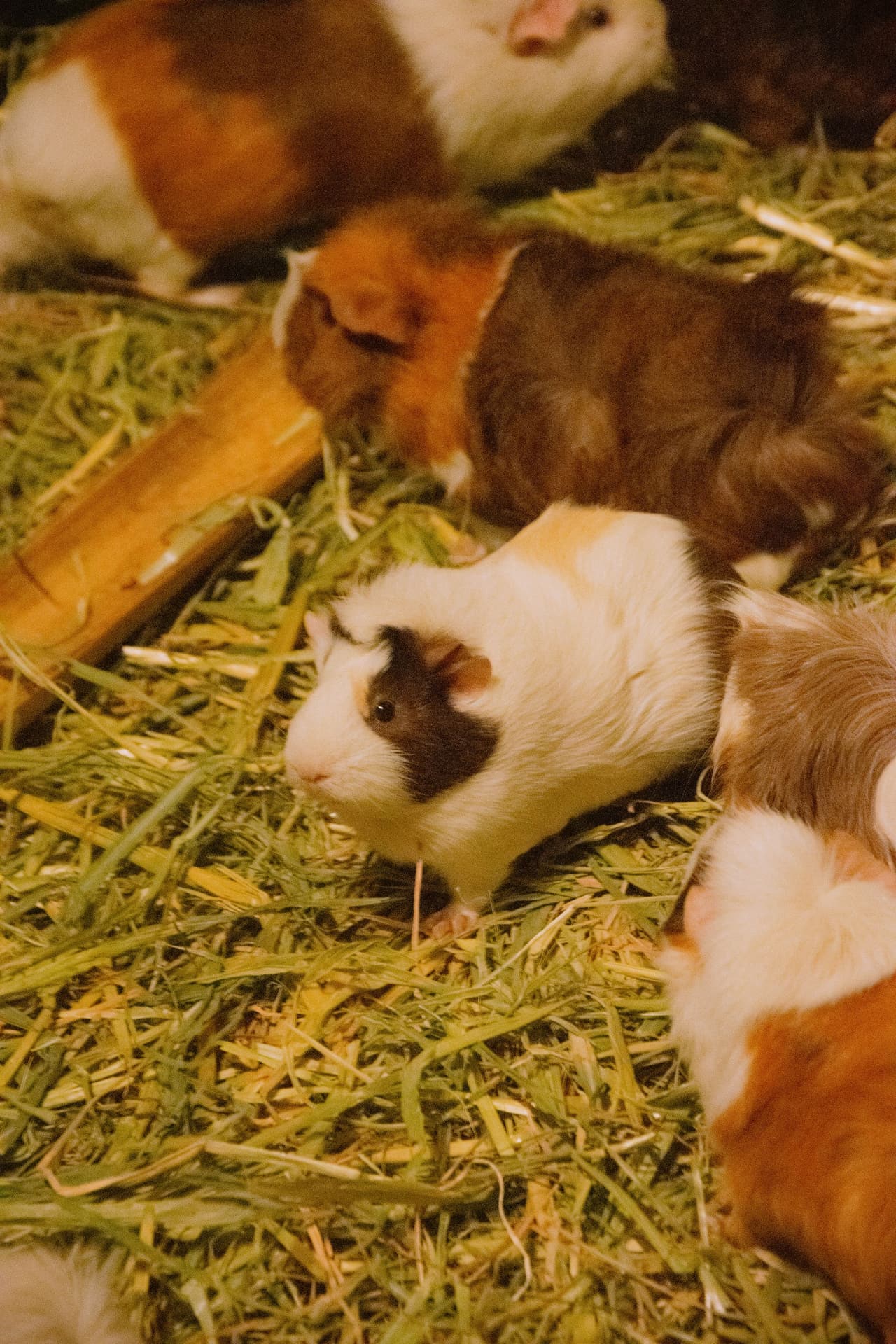
Rabbits, guinea pigs, chinchillas and degus are long-fibre herbivores. They need hay around the clock, with no limit: it keeps their digestion moving and wears down teeth that never stop growing. The rule of thumb: every day, a pile of hay as big as they are.
Green in colour (not yellow or brown), a sweet smell of the countryside (never musty), long, unbroken strands and very little dust at the bottom. If they sniff it and dive straight in, it's good. They never lie.
As the months go by, hay loses colour, aroma and vitamins, and turns brittle and dusty. That's why we put the batch and mowing date on every box and pack each order on the spot.
Mix the new hay in with their usual one for a few days, upping the proportion bit by bit. Even the fussiest eaters tend to give in sooner than you'd think.
Dry, cool, dark and well aired. The cardboard box is perfect. Sealed plastic traps moisture and spoils the hay.
This guide is for general information and is no substitute for advice from your exotics vet.
Calculator
Who lives at your place?
Your crew gets through roughly
5.18 kg of hay a month
We recommend
1 box of 10 kg every 8 weeks
A rough estimate with a 15% margin. Hay should always be available, with no limit.